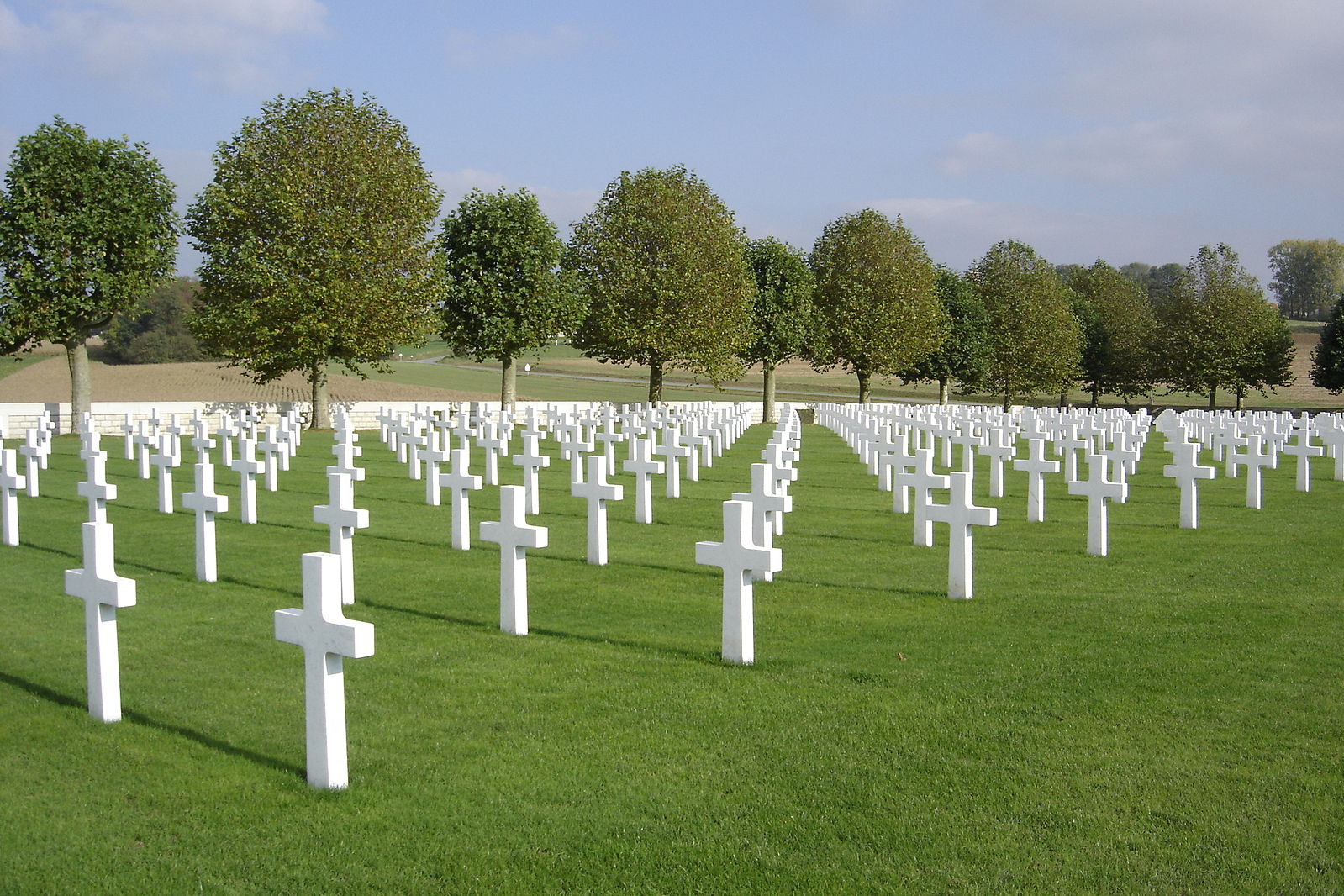
The Somme American Cemetery and Memorial, located near Bony, France, serves as a solemn tribute to American soldiers who lost their lives during World War I.
Established in October 1918, the cemetery spans 14.3 acres and is the final resting place for 1,844 U.S. military personnel. Many of these individuals perished while serving in American units attached to British armies or during operations near Cantigny.
The cemetery’s design features headstones arranged in four plots, intersected by pathways that converge at a central flagpole. At the eastern end stands a chapel, accessible through a bronze door adorned with an American eagle. Inside, light filters through a cross-shaped crystal window above the marble altar, illuminating the names of 333 missing soldiers inscribed on the walls. A rosette marks the names of those who have since been recovered and identified.
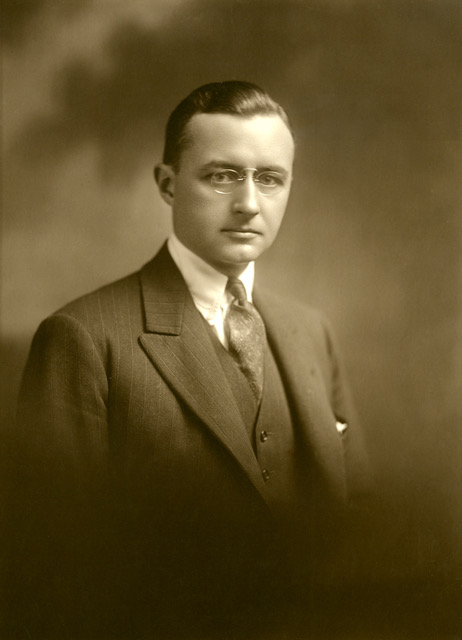
Architect George Howe designed the chapel, an adaptation of Romanesque architecture. Its exterior walls are embellished with sculpted panels depicting World War I-era military equipment, enhancing the memorial’s historical significance.
On May 30, 1937, the Somme American Cemetery was dedicated during simultaneous ceremonies at six American Battle Monuments Commission (ABMC) cemeteries in France. These events were attended by American and French dignitaries, veterans residing overseas, and local citizens.
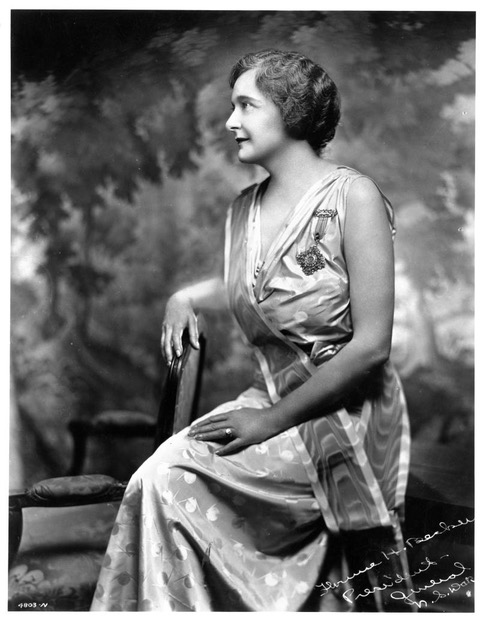
Notably, Florence Becker, the President General of the Daughters of the American Revolution, delivered the dedicatory address at the Somme ceremony, marking the first time a woman had given a Memorial Day address at an ABMC cemetery.
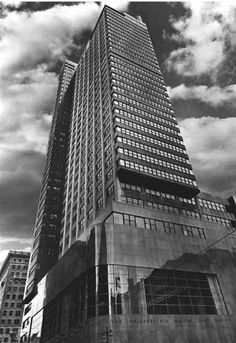
George Howe (1886–1955) was a prominent American architect known for his significant contributions to modern architecture, notably the Philadelphia Savings Fund Society (PSFS) Building.